
The Price of a Truck Is Not the Price of a Truck
- Home
- Blog
by Rugare Vambe
The gap nobody quotes for
Two suppliers quote you for the same 6×4 tipper. One comes in several thousand dollars under the other, same make, same model, same horsepower. The decision looks obvious, and for a lot of buyers it is made right there.
Then the unit arrives at the border and the invoices start. Clearing charges. Duty calculated on a value you had not been shown. Storage, because the paperwork was not ready when the container landed. Transport from the port to your site, which nobody mentioned. By the time the truck turns a wheel on your operation, the cheaper supplier has become the more expensive one – and you have lost six weeks you had scheduled work against.
The problem is not dishonesty. It is that “price” means two different things, and only one of them is the number that matters.
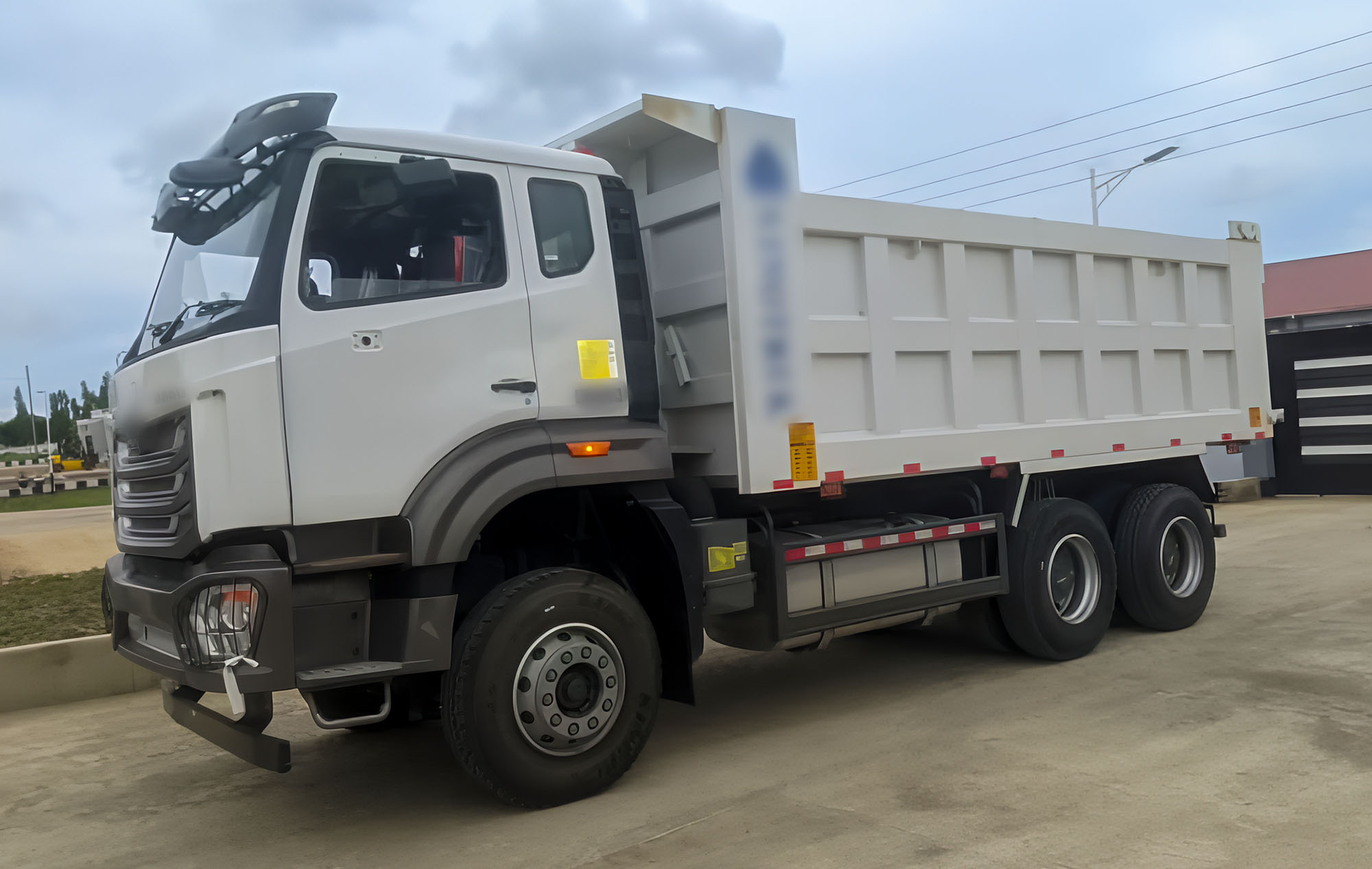
What sits between the factory and your gate
A landed price is what it costs to have the unit standing on your site, registered and ready to work. Between the manufacturer’s price and that point there are usually eight or nine separate costs, and each one is a place where a quotation can quietly stop short.
Freight. Ocean or overland carriage to the port of entry, which moves with fuel prices, route and season. On a single unit it is a meaningful share of the total; on a consignment it is where consolidation starts to pay.
Marine insurance. Cover for the unit in transit. Skipping it is a genuine gamble, and the one time it does not pay off, it does not pay off spectacularly.
Port handling and terminal charges. Levied at the port of entry, largely outside anyone’s control, and rarely included in a quotation that was really only a factory price with freight added.
Clearing and forwarding. The agent’s fee for getting the consignment through customs. Straightforward when the documentation is right, expensive when it is not.
Duty, VAT and statutory charges. The largest single addition in most cases, and the one most often left out of a comparison. What applies depends on the classification of the goods, their origin, and the prevailing tariff position — which is exactly why it should be calculated for your consignment rather than assumed from someone else’s.
Storage and demurrage. The cost of a container or a unit sitting at the port while paperwork catches up. This is the one that turns a competitive quote into an expensive one, because it accrues daily and it is entirely a function of how well organised the supplier is.
Pre-delivery inspection and commissioning. Checking the unit arrived in the condition it left in, fitting attachments, and making it operable rather than merely present.
Registration and licensing. Getting the vehicle legally on the road, which takes time as well as money.
Inland transport. Moving the unit from the port to your site. For plant this means low-bed transport and, depending on the load, abnormal load permitting.
The costs that surprise people most
Demurrage is the first. It is invisible in every quotation, it is nobody’s line item, and it is entirely avoidable — but only if whoever is handling the import has the documentation ready before the vessel arrives rather than after.
The second is specification correction. A machine that arrives with the wrong bucket, the wrong tyre configuration or a drivetrain that does not suit your ground conditions is not a disaster, but fixing it after arrival costs several times what specifying it correctly before the order would have. This is the strongest argument for buying from someone who asks about your application before they quote, rather than someone who sends a price list.
The third is time. Six weeks of a truck sitting at a border is six weeks of work not done, and on a contract with a programme attached that is usually the largest cost of all — larger than duty, larger than freight, larger than the difference between the two quotations you started with.
Questions worth asking any supplier
Before comparing two numbers, establish whether they are the same kind of number:
Does the quoted price include freight, insurance, port handling, clearing, duty and delivery to my site, or does it stop at some earlier point?
If it stops earlier, where exactly, and what is the estimated cost of everything after that?
Who is responsible for the clearing documentation, and when will it be lodged?
What happens to the cost if the consignment sits at the port — and who carries it?
What lead time are you committing to in writing, and what happens if it slips?
Is the unit specified against my application, or against a catalogue?
A supplier who can answer all six without hesitation is quoting you a real price. One who cannot is quoting you the beginning of a price.
How we quote
Future Tide quotes landed. Our price includes shipping, marine insurance, port handling, clearing and forwarding, duty and statutory compliance, pre-delivery inspection and delivery to your site unless the quotation states otherwise — and where something is excluded, it is stated on the document rather than left to be discovered later.
We do that for a straightforward reason. We have been importing into Zimbabwe since 2012, so we carry the sourcing, financing and logistics ourselves and the client pays on delivery. If we get the paperwork wrong, the demurrage is ours. That arrangement concentrates the mind, and it means the number we quote is the number you plan against.
It also means we would rather quote a lead time we can hold than the shortest one we can imagine. A date you can schedule work around is worth more than a date that sounds good on a quotation.
Tell us what you need and where it's going
We’ll send you a competitive quote if we have it in stock, or we’ll come back with a landed price and a firm lead time